Loading...
Washing your clothes correctly keeps their colors vibrant and extends their lifespan.

Washing two-tone clothes correctly prevents color bleeding and extends their lifespan.
When washing coats or puffer jackets, it's important to consider the material type, filler type for puffer jackets, waterproof or water-resistant features, etc. Special care is required when washing these types of coats.
Coats typically require special care as they are usually made from wool blend fabrics.
Jackets and trench coats require different cleaning methods depending on the fabric type used.
Leather garments can deteriorate when exposed to water and ordinary detergents. They require special care.
Proper washing of bras made from delicate fabrics prevents them from wearing out.
Special washing methods are required to protect babies' sensitive skin.
Satin products require special care for delicate fabrics.
Denim is a fabric prone to color bleeding and shrinking. You can extend its lifespan with proper washing methods.
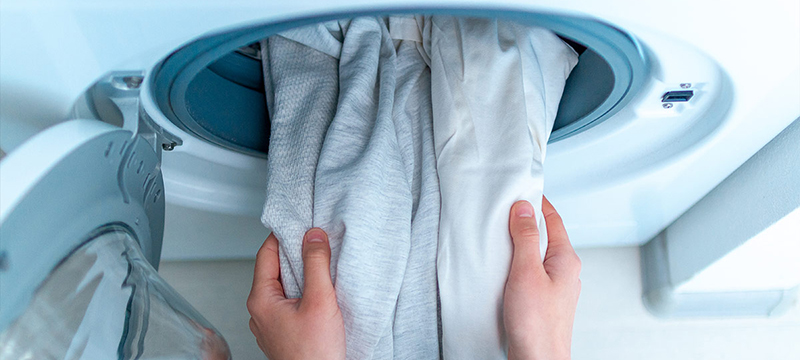
You can dry your laundry quickly and effectively using a dryer.
Cleaning shoes according to their type ensures they last longer.
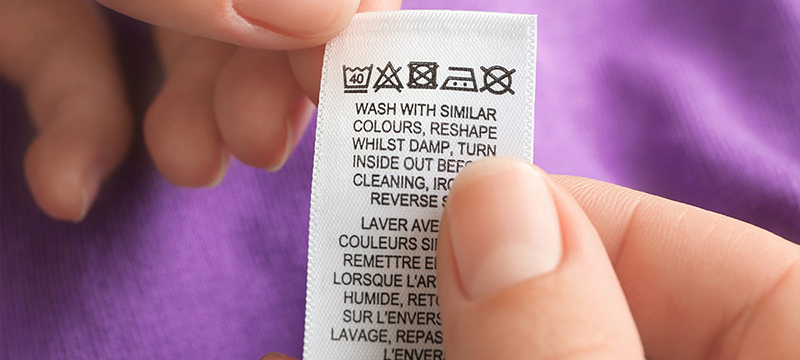
Correctly interpret international symbols to extend the lifespan of your clothes.
Avoiding excess detergent and proper temperature settings help clothes last longer.
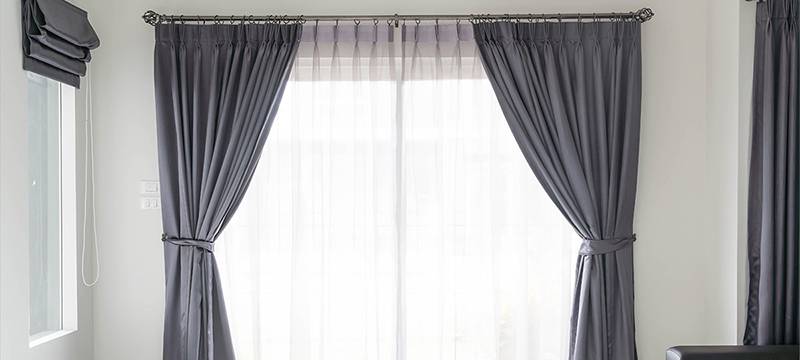
Apply these tips to keep your curtains clean and tidy.
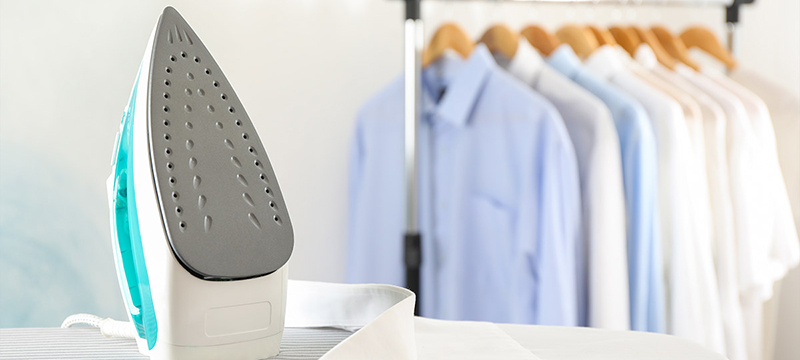
Discover tips for easier ironing.
Washing your clothes correctly keeps their colors vibrant and extends their lifespan. When washing light-colored clothes, follow these steps:

Wash light-colored clothes separately from dark and bright colors. This prevents color bleeding and keeps light-colored garments from fading.
Check the care instructions on garment labels. Putting a newly purchased item in the machine without checking the washing symbols can lead to negative results. Always wash clothes according to the washing symbols. Some garments may only be suitable for hand washing or dry cleaning.
Wash dark and colored clothes in cold water. Cold water helps prevent colors from fading and saves energy.
Wash light-colored clothes at low temperature (e.g., 30°C or 40°C) for long-lasting use. However, very dirty or stained garments can be washed at the highest temperature indicated in the washing instructions to remove stains.
Turn clothes inside out before washing. This helps prevent colors from fading and reduces wear on the fabric surface.
Use detergents designed for light-colored or delicate fabrics to protect garment colors. Prefer color-protecting detergents without bleach.
Select the gentle or delicate wash program for delicate fabrics. These programs prevent fabric wear and help maintain the garment's shape.
Dry light-colored clothes in the shade. Sunlight can cause garment colors to fade. If using a dryer, prefer low temperature and delicate drying program.
If a garment has stains, use an appropriate stain remover before washing. However, test the stain remover on an inconspicuous area of the garment first.
Avoid overloading the washing machine. This allows clothes to wash more comfortably and ensures effective detergent distribution.
Washing two-tone clothes correctly prevents color bleeding and extends their lifespan. When washing two-tone clothes, follow these steps:
Check the care instructions on garment labels. Putting a newly purchased item in the machine without checking the washing symbols can lead to negative results. Always wash clothes according to the washing symbols. Some garments may only be suitable for hand washing or dry cleaning.
Use color catcher sheets or cloths. These products help prevent color transfer during washing by capturing dissolved colors and preventing them from transferring to other fabrics.
Wash two-tone clothes in cold water. Cold water helps reduce color fading and bleeding, and saves energy.
Turn clothes inside out before washing. This helps prevent colors from fading and reduces wear on the fabric surface.
Use color-protecting detergents to prevent fading. Prefer detergents without bleach.
Dry two-tone clothes in the shade with good air circulation. Sunlight can cause garment colors to fade. If using a dryer, prefer low temperature and delicate drying program.
Avoid overloading the washing machine. This allows clothes to wash more comfortably and ensures effective detergent distribution.
For the first few washes, wash two-tone clothes separately. This can reduce the risk of colors bleeding onto other garments.
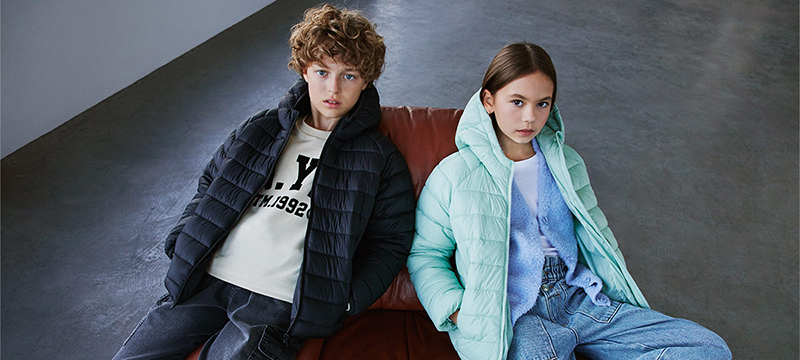
When washing coats or puffer jackets, it's important to consider the material type, filler type for puffer jackets, waterproof or water-resistant features, etc. Special care is required when washing these types of coats. When washing your coat, follow these steps:

Check your coat's care label and pay attention to the washing symbols. Some coats are only suitable for dry cleaning.
Remove any items from the coat's inner and outer pockets.
If your coat has stains, use a stain remover to remove them beforehand. Test the product on an inconspicuous area of your coat.
If your coat's hood or faux fur details are removable, detach them before washing.
Wash the coat on a gentle or delicate wash program. These programs prevent fabric wear and help maintain the garment's shape.
Wash your coat in cold or lukewarm water. This prevents color fading and saves energy.
Use a mild, low-foaming detergent suitable for the coat's material and filling. Prefer detergents specially formulated for down-filled coats.
Wash your coat alone or with similar colored and weight garments. You can add a few clean tennis balls during washing to help distribute the filling evenly.
Rinse twice to ensure the coat is completely free of detergent residue.
Dry the coat according to the instructions on the care label. Some coats should be air-dried. If using a dryer, prefer low temperature and gentle settings. You can also add a few clean tennis balls to the dryer to help distribute the filling evenly.
After your coat is dry, gently shake it to distribute the filling evenly and maintain its shape.
Coats typically require special care as they are usually made from wool or wool blend fabrics. The washing method may vary depending on your coat's material and the manufacturer's instructions. When washing your coat, follow these steps:
Check your coat's care label and pay attention to the washing symbols. Some coats may be suitable for dry cleaning only.
Dry cleaning cleans your coat while preserving its shape and texture.
If the label indicates it's suitable for machine washing, turn the coat inside out and select the delicate or wool program. This program washes at lower temperature with less mechanical action, preventing fabric damage. Use color-protecting detergent.
Washing at high temperature can cause wool fabrics to shrink or lose shape. Therefore, prefer cold or at most lukewarm water.
Use a detergent specially formulated for wool and delicate fabrics. Regular detergents can damage wool fabrics.
Wash your coat alone in the machine or with similar colored and weight garments. This ensures balanced washing and prevents fabric damage.
If the label indicates hand washing is suitable, gently wash your coat in cold water with a mild detergent suitable for wool. Clean by gently squeezing without excessive rubbing or wringing in the water.
Rinse carefully with cold water to ensure the coat is completely free of detergent residue. After rinsing, do not wring or twist your coat. To remove excess water, lay your coat on a towel and press gently to absorb the water.
Dry your coat in a well-ventilated area on a flat surface or on a wide-shouldered hanger, avoiding direct sunlight or heat sources. Avoid drying on a clothesline as this can distort the coat's shape. Do not use a dryer as high heat can damage the fabric.
If your coat needs ironing, iron at very low heat and preferably through a cloth. Do not apply the iron directly to the fabric.
Follow the steps on the care label for your coat to last long and stay like new, and consult a professional cleaner when in doubt.
Washing outerwear like jackets and trench coats varies depending on the fabric type used and the care instructions on the product label. When washing your jacket and trench coat, follow these steps:
Always check the garment's care instructions as the first step. The label may include symbols for machine washable, dry clean only, or hand wash. Most trench coats are made from water-resistant materials and may have special washing instructions.
Jackets and trench coats made from wool, cashmere, and other delicate fabrics typically require dry cleaning. Dry cleaning cleans the garment while preserving its shape and texture.
If the label indicates it's suitable for machine washing, turn the garment inside out and wash in cold water on a delicate, slow cycle. Use color-protecting detergent.
Hand washing is recommended for delicate fabrics. Wash gently with detergent suitable for delicate garments and lukewarm water. Do not wring or rub the fabric.
Machine drying is generally not recommended for jackets and trench coats. Dry on a flat surface or on a hanger in a well-ventilated area. Avoid direct sunlight. To preserve water-repellent properties, some trench coats can be ironed with low heat after drying.
In all cases, follow the care label instructions to preserve the garment's shape and texture, and consult a professional cleaning service when in doubt. For high-quality and expensive outerwear, dry cleaning is the best way to extend the garment's lifespan while minimizing washing risks.
Leather garments require special care and traditional washing methods are generally not suitable for leather. Leather can deteriorate, crack, or lose its shape when exposed to water and ordinary detergents. Therefore, it's important to be careful when cleaning leather garments. When cleaning your leather garments, follow these steps:
The safest cleaning method for leather garments is a professional dry cleaner. When choosing your dry cleaner, make sure they are experienced with leather products.
For light dirt, gently wipe the leather with a damp (not wet) cloth. Dampen the cloth slightly with water and wring out excess water. Gently wipe the dirty area without damaging the leather. If you need to use soap, use a mild soap solution specially formulated for leather, then wipe off the soap with a clean damp cloth.
Blot spilled liquids on leather with a clean cloth before they dry. Do not let the liquid absorb into the leather.
Let leather garments dry at room temperature. Never try to dry them near heaters or in direct sunlight. This can cause the leather to crack or fade.
After cleaning, you can apply a leather-specific protector or moisturizer to maintain the material's flexibility and shine. These products help prevent the leather from drying out and cracking.
When storing leather garments, keep them in a breathable cover and away from direct sunlight. Use wide, quality hangers to preserve the garment's shape.
For leather types like suede and nubuck, use brushes and cleaners specially designed for these materials. These leathers are more sensitive to water and require special care.
When cleaning your leather garments, always be gentle to preserve the material's natural properties and consult a professional cleaning service when in doubt.
Bras, especially those made from delicate fabrics like lace, can easily wear out when not washed correctly. Therefore, when washing bras, follow these steps:
Babies' skin is more sensitive than adults', so washing their clothes requires special attention. When washing baby clothes, follow these steps to protect their skin health and extend the garments' lifespan:
Use the extra rinse option to ensure no detergent residue remains on baby clothes.
Being gentle when washing baby clothes helps keep them like new for longer while protecting baby's skin. Gentle detergents and proper washing methods keep baby clothes clean and fresh.
Satin is a luxurious fabric with a shiny and smooth texture. It can be made from various fibers like silk, nylon, and polyester. Satin garments and home textiles require special care because incorrect washing methods can damage the fabric. Therefore, when washing satin, follow these steps:
Check Washing Instructions: Always check the product's care instructions and follow the washing symbols recommended by the manufacturer.
Satin garments are generally recommended for hand washing. However, for machine-washable satin products, you can follow these steps:
Being gentle in the care of satin products helps them stay like new for a long time and preserves their shine.
Denim fabric is known for its durability and unique character that develops over time. Washing your jeans correctly extends their lifespan and preserves their appearance. When washing your denim, follow these steps:
If you don't want to wash your denim frequently, you can try storing your jeans in the freezer overnight to eliminate odors. This method slows bacterial growth without damaging the fabric.
You can dry your laundry quickly and effectively using a dryer. However, proper use helps your clothes last longer and improves energy efficiency. When using a dryer, you can follow these steps:
Using the dryer correctly makes caring for your clothes easier. You can achieve good results by following the recommendations in your machine's user manual.
Shoes require different cleaning methods depending on their type and the material they're made from. For cleaning tips by shoe type, follow these steps:
Avoid storing your shoes in humid environments. Use shoe trees when not wearing them to preserve their shape. Regular maintenance extends your shoes' lifespan and keeps them looking good.
This symbol indicates that the garment can be washed with water. The number inside specifies the maximum washing temperature (e.g., 30°C).
One or more lines under the tub symbol indicate that the garment must be washed on a delicate or special program. One line indicates a more delicate wash than normal; two lines indicate a very delicate wash program.
Indicates that the garment must be hand washed. It means the garment requires gentle or delicate washing.
Indicates that washing with water is not suitable. Such products should not be washed.
Indicates that bleaching is not suitable.
Indicates that chlorine-free bleach can be used.
Indicates that the garment can be tumble dried. The number of dots inside shows the drying temperature level. One dot is low, two dots is normal temperature.
Indicates that the garment should not be tumble dried.
Indicates that the garment should be dried flat. Generally means natural drying.
One or more lines underneath indicate that the garment must be dried on a delicate or special program. One line indicates a more delicate drying than normal; two lines indicate a very delicate drying program.
Indicates that the garment can be ironed. The dots inside show the ironing temperature. One dot is low, two dots is medium, three dots is high temperature.
Indicates that the garment should not be ironed.
Indicates that steam ironing can be used.
Indicates that dry cleaning can be done. The letter inside the circle specifies the type of solvent to use (e.g., P, F).
Indicates that the garment is not suitable for dry cleaning.
These symbols are internationally recognized standards and guide which methods should be used when caring for garments. Following the care instructions appropriate for your clothes extends their lifespan.
Using too much detergent can leave residue on your clothes and cause fabric wear. Use the recommended amount of detergent.
Bleach can cause colored clothes to fade and weaken the fabric. Use bleach only on white clothes and when necessary.
Washing delicate fabrics at high temperature can cause shrinking and damage. Wash at the temperature indicated on the care label.
Overloading the washing machine can prevent clothes from being cleaned properly and damage the machine.
Drying colored clothes in direct sunlight can cause colors to fade. Dry in a shaded area or in the dryer at low temperature.
Washing colored and printed clothes without turning them inside out can cause colors to fade and damage prints. Wash clothes inside out.
The dryer can weaken fabric fibers and cause shrinking. Prefer drying clothes naturally.
Using aggressive chemicals and rubbing stains can damage the fabric. Test the stain remover on a small area first.
Storing clothes in humid environments can cause mold and bad odors. Store clothes in dry, well-ventilated areas.
Frequent washing can cause denim fabric to wear. Store your jeans in the freezer overnight to eliminate odors.
Wait for deodorant to dry before putting on your clothes. This helps prevent white stains from forming.
Hand washing your bras helps preserve their shape. When machine washing, use a laundry bag to protect bras.
Hanging sweaters can cause their shoulders to stretch and distort their shape. Prefer folding them for storage.
Washing clothes labeled dry clean only at home can damage the fabric and cause shrinking. Use professional dry cleaning service.
Wringing wool garments after washing can damage the fabric. Gently squeeze out excess water and dry on a flat surface.
Clean pilled clothes with a fabric lint roller. For sweaters, use a sweater shaver.
Remove dust from curtains using a vacuum cleaner, electrostatic dust cloth, or microfiber duster.
Use a steam cleaner to remove dust and germs from curtains.
Gently hand wash curtains with lukewarm water and detergent for delicate fabrics. Rinse and dry flat without folding.
Place curtains in a laundry bag. Set the washing machine to low temperature and delicate program. Use detergent for curtains or delicate fabrics.
Clean stains with stain remover or soapy water.
Remove curtains periodically and shake them outside. This removes most of the dust and loose dirt.
If indicated on the label, use professional dry cleaning service.
Iron curtains at low heat and on delicate setting.
Dry curtains in the shade, avoiding direct sunlight.
Note: Remove curtains from the machine immediately after washing and hang them. This gives you flat-looking curtains without ironing. It doesn't provide a perfectly smooth look but prevents the curtains from being wrinkled.
Set the iron temperature according to the garment's fabric type. Iron cotton, linen fabrics at high heat, and silk and synthetic fabrics at low heat.
Use steam iron for thick and cotton fabrics. Keep steam low for thin and delicate fabrics or prefer ironing without steam.
Iron clothes inside out. This prevents delicate and colored fabrics from shining or getting damaged.
Use a flat and stable ironing board. The ironing board surface helps clothes iron properly.
Use an ironing cloth for delicate fabrics and prevent direct contact between fabric and iron. This prevents fabric from burning or shining.
Apply gentle pressure when ironing seams and edges to flatten these areas.
Start ironing from the inside of the garment outward. This makes wrinkles easier to smooth out.
Iron the sleeves and cuffs of the shirt first. Then iron the collar and body.
Iron small parts like pockets, collar, and cuffs first. Then iron the larger surfaces.
Slightly damp clothes iron more easily. Lightly spray water on dry clothes before ironing to moisten them.
Use the vertical steam ironing method for curtains and long garments like gowns and wedding dresses by holding them on a hanger.
Make sure the soleplate is clean before ironing. Regularly clean your iron's soleplate and use descaling solution if needed.
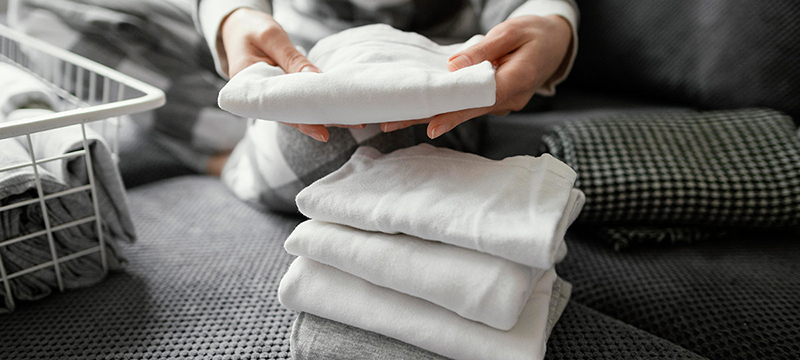
Don't fold or hang ironed clothes immediately; wait for them to cool first. New wrinkles can form on hot clothes.
Turn off the iron after ironing and wait for it to cool. Store the iron properly coiled in a dry place.